Quick Overview
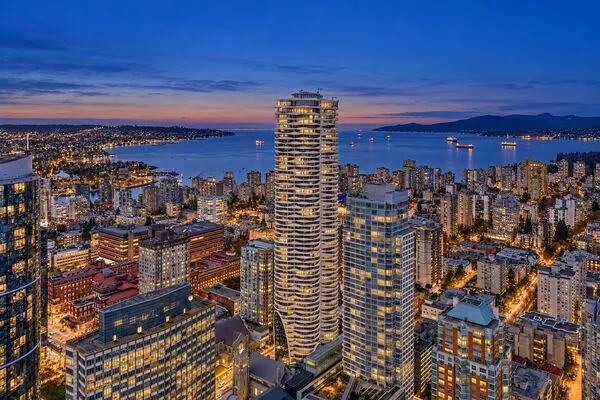
The West End is one of Vancouver's most densely populated and genuinely livable urban neighbourhoods. Bounded by Stanley Park to the west, downtown to the east, English Bay to the south, and Coal Harbour to the north, it packs a lot into a small geography.
The people who live here are remarkably diverse: long-time residents in older rental buildings, condo buyers who want Stanley Park and English Bay walking distance from their front door, and the LGBTQ+ community that has centred around Davie Village for decades. It's a neighbourhood with real identity and history.
What It's Like to Live in the West End
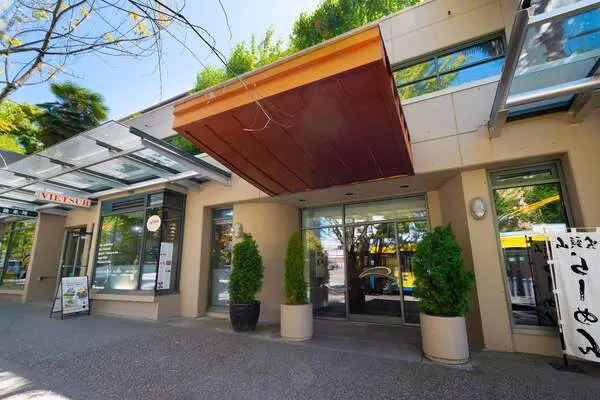
The West End has a neighbourhood feel that downtown proper largely lacks. Denman Street is the main commercial corridor — a walkable strip of restaurants, cafes, grocery stores, and everyday services that residents genuinely use rather than just pass through. Davie Street is the second major corridor, more nightlife-oriented and anchored by the LGBTQ+ community.
English Bay Beach is at the south end of the neighbourhood and is one of the most used urban beaches in Canada. On summer evenings, the seawall between English Bay and Sunset Beach draws thousands of people. Residents have immediate access to this daily.
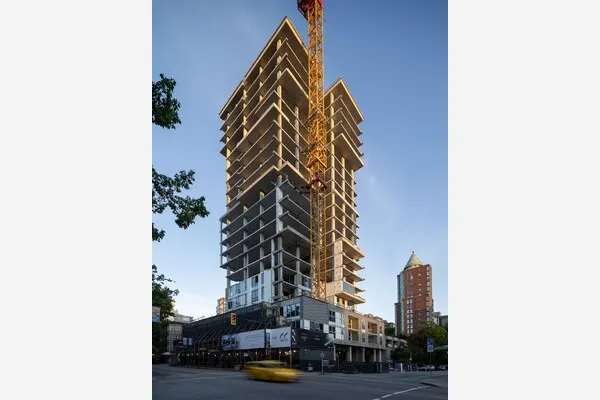
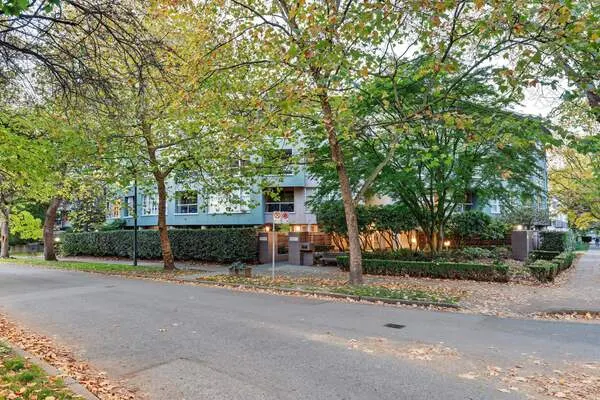
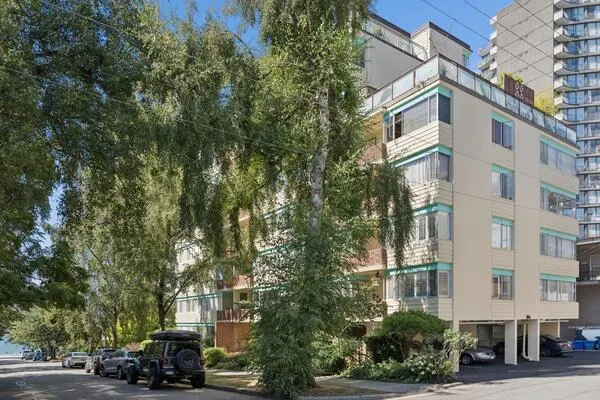
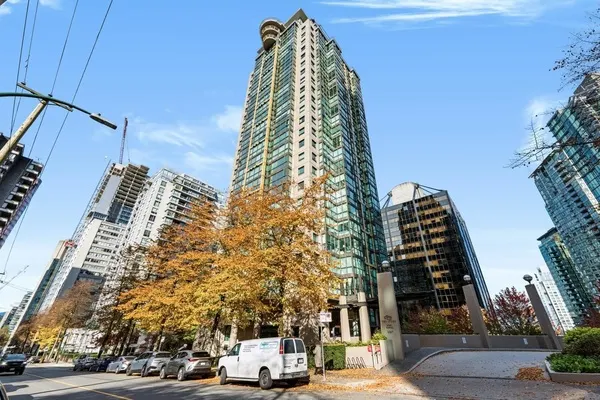
The street grid is dense. High-rise towers and older low-rise apartment buildings sit on the same blocks. Tree coverage on residential streets is surprisingly good given the density. The neighbourhood doesn't feel oppressive in the way that some dense urban environments do — the proximity to Stanley Park and the water gives it breathing room.
Real Estate in the West End
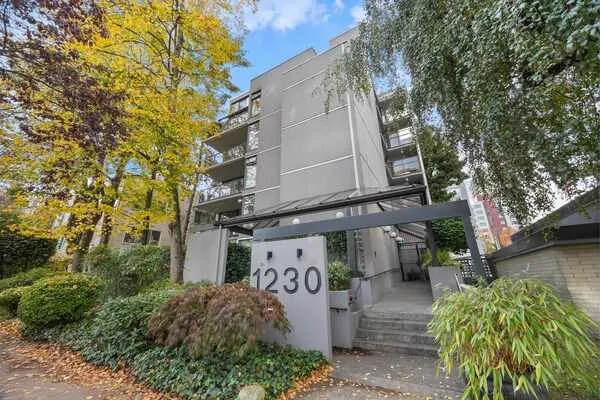
West End real estate is a mix of older concrete and wood-frame apartment buildings, mid-century high-rises, and newer strata towers. The proportion of rental stock here is higher than almost anywhere else in Vancouver — many buildings were purpose-built rentals and remain so.
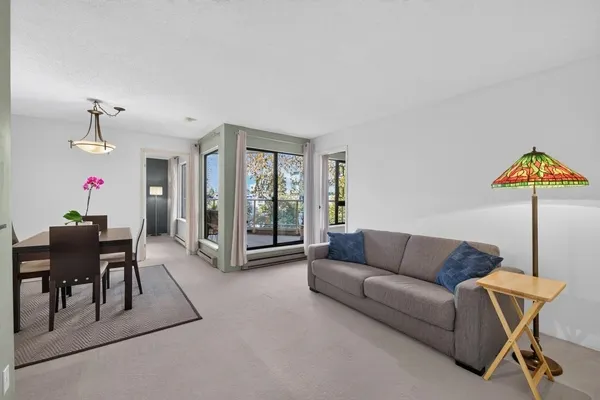
For buyers, the strata condo supply is more limited than in Yaletown or downtown. One-bedrooms in the West End start around $600K–$750K; two-bedrooms range from $850K to $1.5M+ depending on building, floor, and whether English Bay or Stanley Park views are in the picture.
For buyers looking at West End condos for sale and living in the West End, building age matters significantly. Some of the older buildings have deferred maintenance and complex strata situations. Newer buildings and well-run older ones offer more straightforward ownership. The rental restriction rules vary by building.
Best Things About the Area
Stanley Park is the defining asset. 400 hectares of forested park, seawall, beaches, and trails — immediately adjacent to the neighbourhood. Residents walk, run, and cycle through it as a matter of routine. There's no equivalent park access anywhere else in the city.
English Bay Beach and the Sunset Beach seawall give waterfront access from the south. The combination of park to the west and beach to the south means the West End has more outdoor space within walking distance than almost any other dense urban neighbourhood in Canada.
Denman Street's restaurants cover a real range — Japanese, Korean, Greek, pub food, and several coffee shops that function as neighbourhood gathering points. Whole Foods at Robson and Denman provides strong grocery access.
Transit and Accessibility
The West End doesn't have its own SkyTrain station, but Burrard Station is a 10-minute walk from most of the neighbourhood. Bus routes on Davie, Denman, and Robson provide connections east to downtown and the SkyTrain network.
For day-to-day movement within the neighbourhood and to adjacent areas, most residents walk or cycle. The seawall cycling route is excellent. Driving is a frustration — parking is scarce and expensive, and the grid has limited through-routes.
The neighbourhood rewards car-free living. Most residents who move here and adapt to transit, cycling, and walking find that car ownership becomes unnecessary.
Schools and Family Life
Lord Roberts Elementary is the main public elementary school and has a good reputation for a central Vancouver school. King George Secondary is the catchment high school. The schools serve the community but don't draw buyers from across the city the way west-side schools do.
Families with young children do live in the West End successfully — the combination of parks, beaches, and walkable commercial streets is genuinely good for active families. The density and apartment-heavy stock means private outdoor space is limited. Families who need a yard will find the neighbourhood constraining.
For LGBTQ+ families and parents, the West End has a welcoming and long-established community infrastructure that's meaningful and worth noting.
Who Should Live Here
The West End suits buyers who want Stanley Park and English Bay access as part of daily life, walkable neighbourhood amenities, and a dense urban environment with genuine community character. It's also a strong fit for buyers who value the neighbourhood's inclusive, diverse identity.
It's less suited to buyers who need private outdoor space, who prioritize school catchments, or who want the prestige positioning of Coal Harbour or Yaletown. Building-level due diligence is important given the age and variety of the housing stock.
Final Thoughts
The West End is one of Vancouver's most underrated neighbourhoods for buyers who actually want to live in a community rather than just a postal code. The park and beach access, the Denman Street walkability, and the genuine neighbourhood identity give it a livability that some pricier neighbourhoods lack.
The housing stock requires careful selection. But for buyers who do the due diligence and find the right building, the West End delivers a quality of daily life that's hard to replicate elsewhere in the city.
Leo Lima · Realtor, eXp Realty · The Align Group
604-813-5398 · vandreamhomes.ca · Available 9am–9pm, 7 days